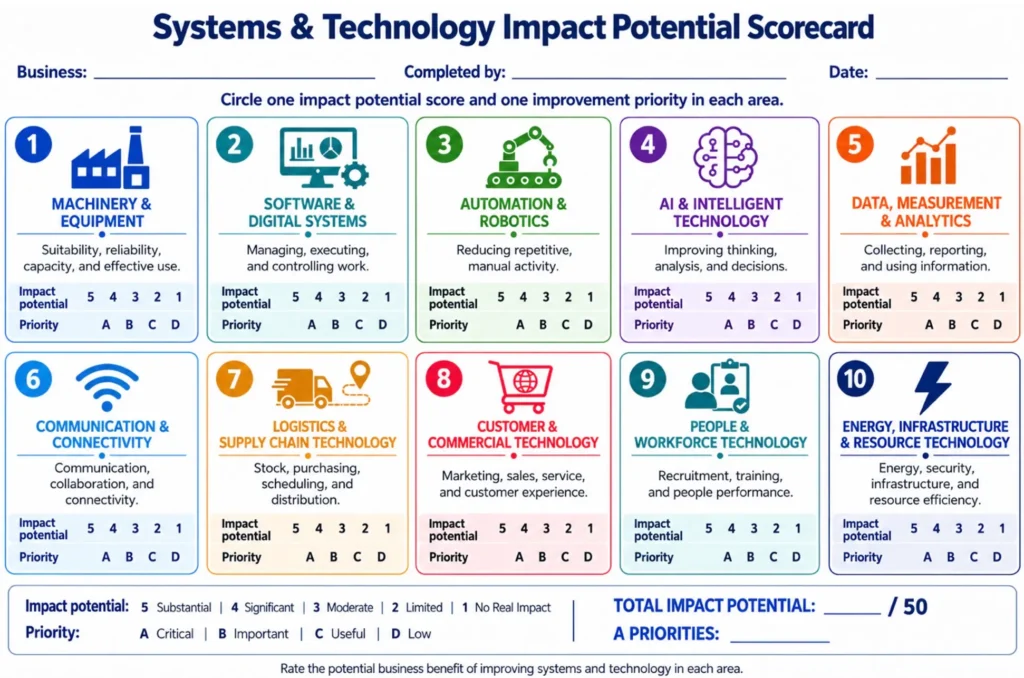


In the dynamic business world, business performance and success aren’t merely a result of hard work and determination; it’s also a product of informed decision-making and strategic planning.
Business owners must have accurate data and insights into their company’s performance to make sound decisions.
This is where Key Performance Indicators (KPIs) come into play, offering a comprehensive way to measure and analyse various aspects of your business.
There are so many things you could be measuring in your business it can be hard to know where to start. This is especially true if areas such as your accounts, reporting and sales & marketing aren’t the areas you have been trained in (or that interested in either!)
But knowing your KPIs opens a world of opportunity and business performance improvement to you. From straightforward things such as being able to make confident investment decisions, how to improve business efficiency and effectiveness, where to strategically focus your products and operation, and much more.
In this blog, we’ll explore the significance of KPIs in measuring business performance, financial performance, business goals and how they can drive growth.
The missing link: tracking business performance
It’s a fact that lots of SME businesses fail to fully track and monitor crucial performance metrics that directly impact their success and business performance.
These key metrics often go unnoticed from the initial enquiry to the final sale, including conversion rates, the lifetime value of customers through to margins and profitability breakdowns.
When you are a startup or micro business, and it’s just you doing all of this, it may not feel necessary to do this. But as soon as you grow, this information holds the key to future progress but too often slips through the net in SMEs.
This lack of attention to vital performance indicators can hinder a business’s ability to make informed decisions and maximise its growth potential.
At UK Growth Coach, we emphasise the importance of understanding and monitoring these metrics, as they form the backbone of the “profit flow.”
The profit flow concept centres around the idea that without accurate data on these metrics, businesses lack the necessary insights to drive more revenue into their operations effectively.
For example, very often, to ‘grow’ a business, owners assume they need more new enquiries from new enquiries. That may indeed be true and be part of the mix of what is needed. But if they truly had a handle on their KPIs, they would realise there could be a greater return on investment by improving their conversion rate or increasing the lifetime value of a customer.
Unveiling the power of KPIs
Using KPIs isn’t just about analysing numbers; it’s about gaining a deep understanding of your business’s health, identifying areas for improvement, and ultimately driving success.
By implementing the right KPIs, you gain a clear perspective on your business performance, allowing you to make confident strategic decisions that align with your goals.
So, what are KPIs, exactly? Key Performance Indicators measure performance within a specific time frame that reflects your business’s performance. They provide valuable high-level insights into your operations’ efficiency, effectiveness, and progress.
KPIs can encompass various areas, from sales and marketing to financials and customer satisfaction.
The link to the profit flow model
While we cannot go into the intricacies of our unique profit flow model here, we can certainly discuss its overarching concept and the vital role that KPIs play within it.
The profit flow model is designed to give businesses a holistic view of their operations, showing how different metrics interact and influence one another to generate an even greater compound benefit for the business. E.g. improving each stage of the profit flow by a few % points leads to a multiple % increase in profit at the end!
By understanding these relationships, business owners can optimise their processes to drive more revenue and increase profitability.
Types of crucial KPIs for management information
Let’s take a look at some crucial KPIs that offer valuable management information about business performance:
Conversion rate: Tracking the conversion rate from leads to paying customers is crucial. It helps you understand the effectiveness of your sales and marketing efforts and highlights areas for improvement. Do some products and services convert better, and if so, why do they?
Customer acquisition cost (CAC): CAC measures the cost of acquiring a new customer. This KPI helps you evaluate the efficiency of your marketing and sales strategies and their impact on your bottom line.
Customer lifetime value (CLTV): CLTV measures a customer’s total revenue throughout their relationship with your business. This KPI aids in understanding the long-term value of different customer segments.It also helps you decide how much you can realistically invest in acquiring a new customer because you know you’ll make an increasing amount in the future.
Churn rate: The churn rate indicates the percentage of customers who stop using your products or services. It’s crucial for retaining existing customers and making improvements to your offerings. What drives your churn rate (price, competition, changing client needs etc), and what changes can you make to improve it?
Profit margin: Profit margin reveals how much profit your business generates from its revenue. It’s a critical financial indicator that impacts your overall business health. We often work with business owners who want to change their mix of products and services: secure more sales for their higher-margin products, diversify their product mix or simply want to improve their value proposition to be able to increase the margins on existing products.
Return on investment (ROI): ROI measures the profitability of an investment relative to its cost. Tracking this KPI helps you assess the effectiveness of your investments and make informed decisions.
Net promoter score (NPS): NPS measures customer satisfaction and loyalty. It gives you insights into customer sentiment and the likelihood of them recommending your business to others.
Debtor days: Debtor days are how long clients pay invoices; this will give you the tools to track progress on cash flow, forecast, and calculate your net profit.
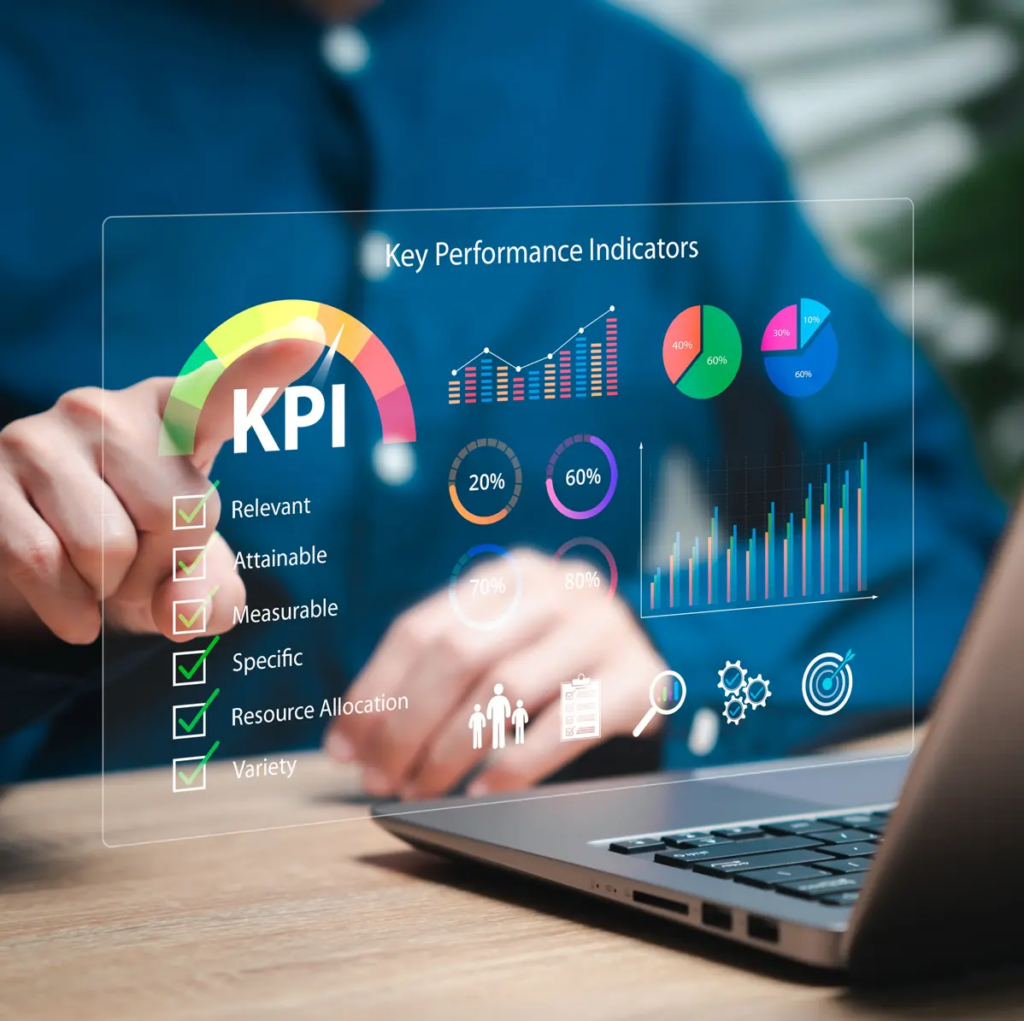
Harnessing KPIs for business growth
The true power of KPIs lies in their ability to guide your business decisions and actions. By tracking and analysing these indicators, you can identify trends, spot potential issues, and capitalise on growth opportunities and market share.
KPIs empower you to make informed choices that align with your strategic goals, ensuring that your efforts drive results and increase business performance.
Once you’ve identified the KPIS and can report on them, you need to interpret what they tell you and use that as the basis to take action in your business! That is how you will progress your business.
At UK Growth Coach, we’re passionate about helping businesses unlock their full potential.
Our tailored approach ensures you gain the skills and insights to implement KPIs effectively, measure progress, and achieve remarkable growth.
Ready to take your business to the next level?
In a world where data drives business performance and success, take advantage of the opportunity to measure and optimise your business performance with KPIs.
At UK Growth Coach, we’re here to support you every step of the way on your growth journey. Our UK Growth Coach – Small Business Coach 1:1 Programmes are designed to guide you through the intricacies of KPIs, empowering you to make informed decisions that drive growth.
Why not take advantage of our complimentary Business Review session to get an expert assessment of where you are, the next steps, and the action needed to accelerate your growth and realise your business’s potential!
We promise not to talk about our services unless you ask us to. So you can genuinely receive 90 minutes of complimentary business and KPI guidance from an external expert. We can’t say fairer than that!