

This blog goes into detail on the importance of motivation and confidence, and why it is integral to your success as a small business owner.
Is motivation an important factor in business success?
I like to think of motivation as moving away from a difficult situation – you’re motivated to work when there’s not enough cash in the bank, you don’t have enough clients, or are facing difficulty with staff members.
When starting a new business, the above aspects require action to be improved. Motivation ensures you do enough to be free of them. This is important in the early stages as it removes a lot of the painful parts involved when you first start a business. But this usually means it’s only enough to pay the bills, take the pain away, etc.
Once you go beyond motivation, you find inspiration. This is where your small business can become medium, or even large. If the former forces you to give 100%, inspiration influences you to give 110%.
So how do you maintain motivation when facing failure, and if inspiration is more important, how do you find it when ‘the going gets tough’?
How do I maintain motivation when facing failure?

Having helped many small businesses across the UK become more profitable, I’ve learned many of them get stuck in the ‘startup phase’ or basically functional phase as defined in our ‘Progress Mountain’ model.
Businesses in the startup phase provide the same service to the same clients for years, without any sense of purpose in what they’re doing. For them to go from the “Growth” through to the “Independence” stage, purpose is required in what they do.
This is where a written purpose statement comes in.
UK Growth Coach’s purpose statement is “to simplify the business of business for company owners in order to close the gap between their ‘potential’ and ‘real world performance’”. This allows my team and I to wake up every day feeling excited to work; there’s more to what we do than just making a sale.
If you’d like help developing your business’s purpose statement, schedule a complimentary business review with me.
How do you build resilience and sustain confidence in business?

Your resilience stems from the confidence you have in yourself. So if you find yourself on the verge of giving up, confidence may be at play here.
But there is one other thing to consider when building resilience… good systems.
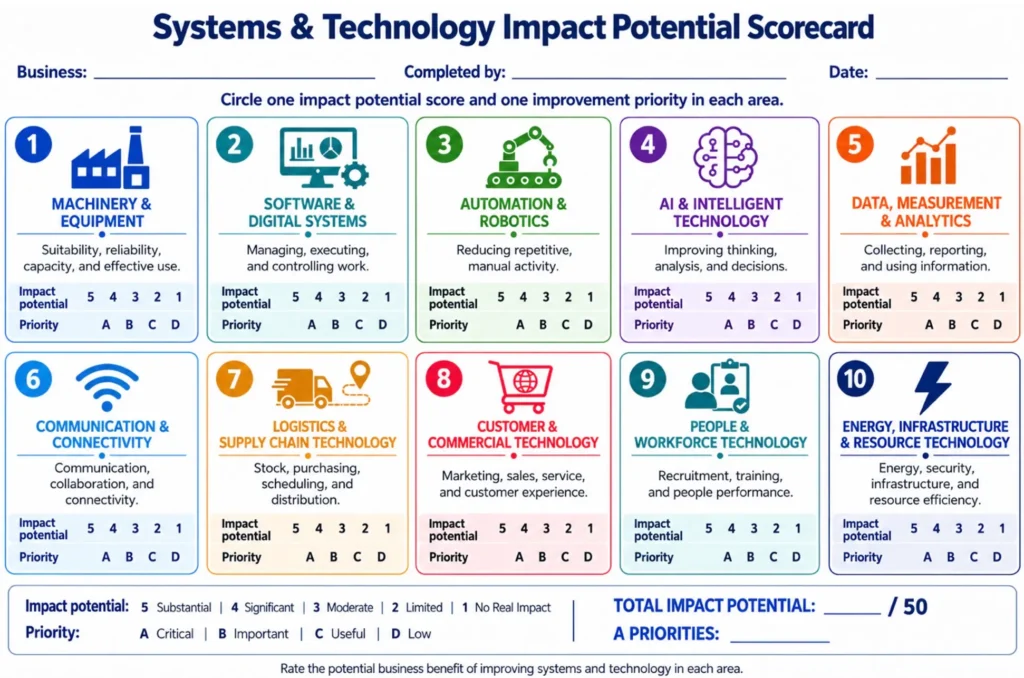
Systems create consistency in the varying areas of your business, whether this is systems in how you recruit and manage staff, or technology used by the company.
Therefore if you want to make your business more resilient, look to your processes and systems (or lack of). These ensure consistency and efficiency, from which you can derive confidence.
Of course there will be setbacks but there are things you can do to support emotional intelligence and confidence during these times to keep you, and your, business resilient.
- Surround yourself with people that are positive support to you, rather than critical.
- Be constantly learning, and learning from mistakes you’ve made.
- Gain levels of expertise that extend further than your own.
- Set aside time to set a plan for the future, so you can measure progress against the plan.
There are a group of like-minded business owners, just like you, experiencing the same things you are that I help every month through a monthly business group coaching programme for example.
The business outcomes from being motivated and confident
When trying to connect something more emotional (motivation and confidence) with the tangible (i.e. business results) you need to look at the studies and research which has been conducted to identify the link.
The point here is that there is a connection and those businesses who experience success tend to be more likely to have the following in their business:
- Specialised knowledge in a certain industry.
- A unique product or service, or a better way of achieving the same result (think how Uber changed the way people use taxis).
- One of the biggest signs you’ll be successful is having a strong internal drive. To use a metaphor, you have a switch that cannot be turned off (resilience).
Using your personal energy to make the best business decisions

To go from being a small business owner to the owner of a medium-sized company, potentially employing tens (or even hundreds) of employees, good decision-making is a vital skill to be learned (and built) over a period of time.
You need to be able to trust your own emotions to be guiding you down the right path, and that your confidence is realistic.
So here is our quick 2-step guide to helping you make those right decisions:
- They take a breath before making a decision and draw the facts together.
- The most important decisions in business are numbers-based, or at least fact-based. So they take the time to draw all numbers and facts together and share them with people around them, allowing them to choose the best path.
If you want to grow your motivation and confidence in being a business owner, use the expertise of a business coach to support you. Our coaches have worked with businesses at all different stages of development, and something that sets us apart is that all of our coaches are or previously have been business owners, as well as being coaches!